
how best to look after your products
We have compiled some tips on what to do and on which cleaning and care products are available from Westerbergs. Quick, easy, and effective ways to extend the life of your product.
whirlpool
Cleaning and maintaining a hot tub involves some special requirements, including high water temperatures and multiple filtration and reuse of water. Simply dose with chemical tablets before and after bathing. Check the pH value at regular intervals. The right pH is important for the chemistry to work. Once a week you should wash the filter. And two to four times a year, if you bathe one to three times a week, you should change all the water in your spa. Shower before each bath.
massage baths and bathtubs
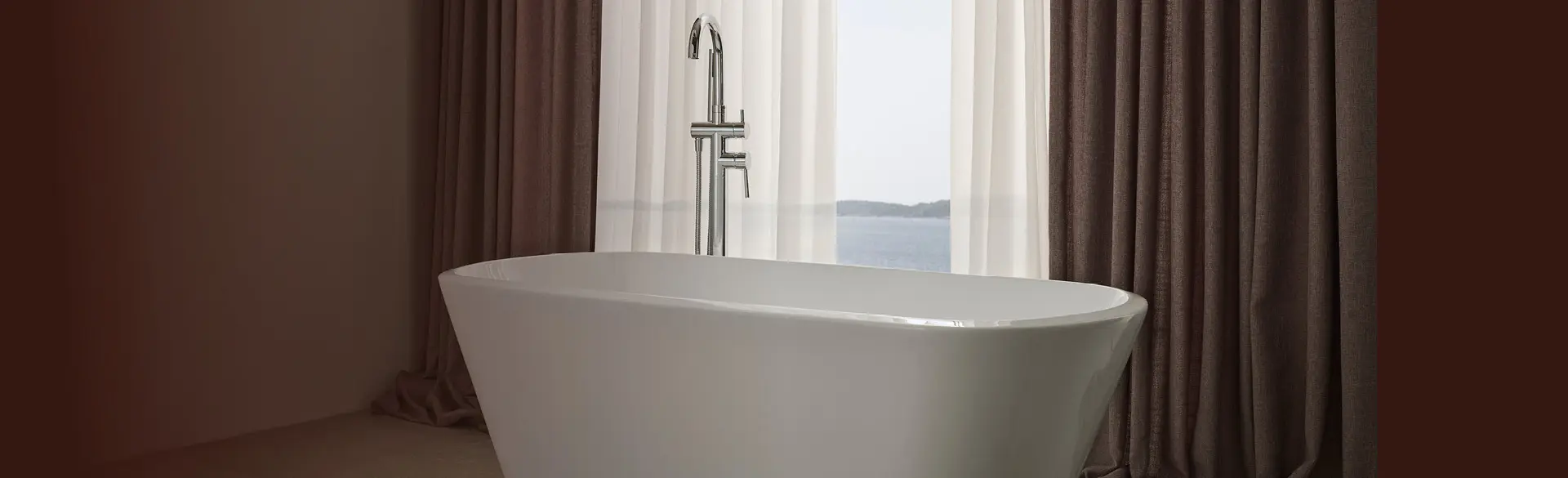
Our massage baths are made of durable sanitary acrylic that is easy to keep clean. For everyday cleaning, clean the bath with a normal non-abrasive detergent. Cleansing Cream is ideal for the job. Use the Westerbergs repair kit for quick repairs if your acrylic bath becomes damaged. You can extend the life of your massage bath by cleaning it frequently. All our systems are self-draining. Pipes and hoses are emptied automatically after each use. Four to six times per year you will need to give the bath a thorough clean with Pipe Cleaner in order to remove any deposits and residues from the pipe system.
bathroom furniture
In order to keep the furniture in good condition, it is important that you look after it. Our furniture is manufactured from materials with excellent moisture resistance but items should still not be exposed to too much water. Always wipe off any water on the furniture. The simplest way to clean Hafa furniture is to use a moist cloth, perhaps with a little ordinary eco-friendly detergent. Avoid using any detergents and products containing abrasive agents, acids, ammonia, acetone or other chemicals (such as scouring powder, hairspray, hair dye, bleach, hair removal cream and nail varnish remover, etc.). If any of the above items should get on the furniture, they should be removed immediately in order to avoid damage. Avoid having any sharp objects near the furniture that might damage the outer surface.
porcelain washbasin
For daily cleaning, use a damp cloth and possibly detergent. Acetic and tartaric acid remove discoloration. Metal can cause lines on the sink. These lines can be removed with ceramic erasers, which are available from plumbing retailers.
Do not expose the sink to water with a temperature higher than 60°C or rapid temperature changes.
glass washbasins
Clean the washbasin using cleaning products suitable for glass. To avoid limescale deposits, it is a good idea to treat the washbasin with a glass impregnator, for example, Clean & Shine Impregnator. Do not use abrasive materials or agents, as these may damage the surface over time. Please also take care not to damage the lacquered surface on the underside of the washbasin that gives the washbasin its colour. Damage to the underside of the washbasin may be visible through the glass. Take care how you handle the washbasin prior to installation and place it on a soft surface to avoid damage. Take time to ensure that washers and O-rings are correctly positioned when fitting mixers and basin wastes. Use only manual force when fitting basin wastes. Careless handling can cause cracks. The washbasin should be protected from heavy impacts and knocks, particularly the corners. Knocking a corner can also put the glass under stress, causing the washbasin to crack some time after the initial knock.
Do not expose the washbasin to large and rapid changes in temperature. Do not expose the washbasin to water with a temperature in excess of 60°C. Use only solvent-free silicone between basin and cabinet.
concrete washbasin
Concrete is a rustic material with natural variations in color and surface. The inside of the washbasin is sealed to close pores and make the surface more resistant to stains. Follow the recommendations of your chosen product. Wipe off water drops with a soft cloth after use to avoid limescale build-up. Standing water may cause dark spots, which will disappear after a few hours once the water has been removed. Do not expose the washbasin to water with a temperature higher than 60°C or rapid temperature changes.Clean the washbasin with a damp cloth and possibly a little diluted washing-up liquid. Avoid cleaning agents and products containing abrasives, acids, ammonia, acetone or other chemicals (such as scouring powder, hairspray, hair dye, bleach, hair remover, nail polish remover, etc.) Should any of the above substances end up on the sink, they should be removed immediately to avoid damage.
solid oak countertops
Solid oak is a natural material that requires care to help it maintain its appearance and durability. A well-cared-for countertop ages beautifully. During the manufacturing process the countertop is treated with Danish Oil made from tung oil. The oil protects against damp and dirt, but an additional coat should be applied once a year and whenever the surface begins to feel dry. For this, use Danish Oil or another oil intended for wood furniture (available from DIY stores). Follow the recommendations on the oil’s packaging. If necessary, use a soft felt rubbing block. Wipe off any water on the countertop immediately and avoid using strong cleaning products. If a stain or a mark appears on the countertop, you can rub it down and treat it with oil.
silestone countertops
Silestone is a stone material that comprises 94 % quartz, making it hard and durable. The countertop is completely homogeneous, without any joints. Silestone is a non-porous surface, which makes it resistant to staining by oils, make-up and many other everyday products. However, you should avoid exposing the countertop to acetone, which can cause staining. Do not place hot utensils such as straightening or curling irons directly on the surface, the high temperature may damage the surface. For day-to-day cleaning, use a mild cleaning product. Do not use abrasive sponges or agents. Do not use strong chemicals, bleach, chlorinebased products, etc. The countertop has a matt finish with a light texture for a soft feel. Do not polish the countertop. The countertop should be protected from knocks that may cause it to become chipped.
laminate countertops
Our laminate countertops have a core of moisture-resistant MDF and a surface of durable high-pressure laminate. When drilling holes in the worktop for the installation of sinks and mixers, the edges of the holes should be siliconized to prevent water from penetrating the countertop.
showers
To facilitate the cleaning of shower doors and walls, our showers have large smooth surfaces and profiles without deep grooves. Discolouration is removed using citric or tartaric acid, rinse thoroughly afterwards. Limescale stains are removed using household vinegar at 50 degrees; apply, leave to take effect, rinse off. Repeat for tough stains. To facilitate the cleaning of patterned showers, the pattern is affixed on the outside. Another way to avoid limescale deposits on interior shower walls is to wipe them down with a squeegee or cloth after each use. Never use abrasive cleaners on your shower doors and walls.